
Call us now :08045477627
 Send Inquiry
 Send Inquiry
Industrial Tensile Sheds
Industrial Tensile Sheds Specification
- Insulation
- PUF insulation optional
- Window Material
- Aluminum frame with toughened glass
- Door Material
- Steel with powder coating
- Life Span
- 15-25 years
- Dimension (L*W*H)
- As per requirement (e.g., 20m x 10m x 6m)
- Connection
- Bolted connection
- Wall Materials
- Pre-coated steel/Aluminum sheets
- Open Style
- Sliding
- Material
- Tensile structure with MS frame
- Roof Material
- High tensile fabric (PVC-coated polyester)
- Thickness Of Wall Panel
- 0.6 mm 1.2 mm
- Door
- Single/Double sliding or hinged options
- Window
- Available as per design
- Window Style
- Fixed/Casement
- Floor Material
- Concrete
- Floor Load
- 500 kg/m
- Roof Dead Load
- 30 kg/m
- Roof Live Load
- 80 kg/m
- Earthquake Intensity
- Up to 8 Richter scale
- Color
- Customized; standard: White/Grey/Blue
- Use
- Industrial storage, workshops, warehouses
- Customization
- Size, color, and openings as per project
- Assembly Time
- 2-4 weeks (depends on size)
- UV Protection
- UV-stabilized fabric roof
- Lighting Provision
- LED/Fluorescent compatible
- Portability
- Modular and relocatable design
- Acoustic Options
- Sound-absorbing panels on request
- Fire Resistance
- Yes, flame-retardant fabric
- Wind Resistance
- 120-150 km/h
- Drainage System
- Integrated gutter/rainwater channels
- Maintenance
- Minimal, periodic cleaning recommended
- Surface Treatment
- Galvanized/painted steel frame
- Foundation Type
- RCC foundation required
- Temperature Resistance
- -30C to +70C operating range
Industrial Tensile Sheds Trade Information
- Payment Terms
- Cheque
- Delivery Time
- as per products Days
- Packaging Details
- Standard
- Main Domestic Market
- Gujarat
Industrial Tensile Sheds About
We have emerged as one of the leading manufacturers and suppliers of an extensive assortment of Industrial Tensile Sheds. These sheds are manufactured by our adroit workforce using high grade raw material that is sourced from the trusted suppliers of the industry. The offered sheds are available with us in various sizes in order to meet the vivid requirements of the clients. Further, these Industrial Tensile Sheds are checked for their quality by strict quality controllers and we offer these sheds at highly affordable prices to the client.
Features:
-
Excellent finish
-
Weather resistant
-
Superb strength
Exceptional Strength and Safety
Designed to withstand harsh weather, the tensile sheds provide stability against wind speeds up to 150 km/h and support roof live and dead loads. Flame-retardant, fire-resistant materials and earthquake resilience (up to 8 Richter scale) guarantee a secure environment for goods and operations. The MS frame and quality coatings add structural longevity.
Customizable and Efficient Design
Tailor your shed to specific project needs with options for dimensions, colors (white, grey, blue, or custom), and door/window configurations. The modular, bolted connections allow for quick assembly and future relocation. Optional features include PUF insulation, acoustic panels, and integrated LED or fluorescent lighting compatibility, ensuring suitable conditions for various industrial uses.
Minimal Maintenance, Long-Lasting Solutions
Our sheds require only periodic cleaning to maintain optimal condition. The galvanized or painted surfaces resist corrosion, and the robust roof and wall materials are built for a service life of 1525 years. The integrated gutter and rainwater channels support long-term durability and easy upkeep, providing practical shelter with minimal hassle.
FAQs of Industrial Tensile Sheds:
Q: How are the industrial tensile sheds installed, and what is the typical assembly time?
A: The sheds are assembled using modular, bolted connections over an RCC foundation, enabling quick installation in 24 weeks depending on the size. The process includes laying the foundation, erecting the MS steel frame, attaching wall and roof panels, and integrating drainage, lighting, and optional features.Q: What safety and protective features are included in these tensile sheds?
A: Safety is ensured through flame-retardant, fire-resistant fabric, robust wind and earthquake resistance, UV-stabilized roofing, and a strong steel frame. The structures are designed for a temperature range of -30C to +70C, with optional acoustic panels and PUF insulation for additional protection.Q: Which customizations are available for these sheds?
A: Clients can customize shed size, color, openings (doors/windows), and select from sliding or hinged doors, fixed or casement windows. Optional upgrades include insulation, acoustic panels, and choice of LED/fluorescent lighting, allowing each shed to meet unique operational requirements.Q: Where are these industrial tensile sheds typically used?
A: These sheds are ideal for industrial storage, workshops, and warehouses. Their versatility makes them suitable for manufacturing, logistics, and trade purposes, and they can be relocated as business needs change due to their modular design.Q: What maintenance is required to ensure the sheds longevity?
A: Minimal maintenance is needed; periodic cleaning of the fabric and frame is recommended to remove dust and debris. The galvanized or painted steel resists corrosion, and the integrated drainage helps prevent water accumulation, extending the sheds service life.Q: How does the drainage system function in these sheds?
A: An integrated gutter and rainwater channel system efficiently directs runoff away from the structure, protecting both the interior and the foundation from water infiltration, and supporting the longevity of the shed in heavy rainfall areas.Q: What are the benefits of choosing a modular, relocatable tensile shed design?
A: The modular design allows rapid assembly, future expansion, or relocation according to business requirements. This flexibility ensures the investment remains valuable even as operational needs evolve, reducing long-term costs and downtime.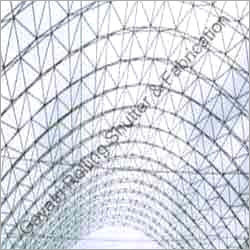
Tell us about your requirement

Price:
Quantity
Select Unit
- 50
- 100
- 200
- 250
- 500
- 1000+
Additional detail
Mobile number
Email

More Products in Industrial Sheds Category
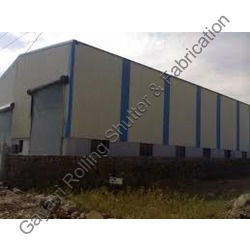
Hi Tech Industrial Sheds
Open Style : Other, Rolling / Sliding
Color : As per request / Standard industrial shades
Floor Material : Concrete
Use : Other, Industrial, Factory, Warehouse
Roof Material : Other, Galvanized Steel Sheet
Life Span : 2530 Years
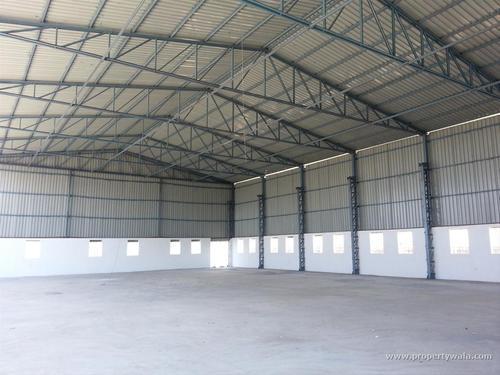
Industrial Shade
Open Style : Sliding
Color : Blue, White
Floor Material : Concrete
Use : Other, Industrial Workshop, Storage Unit, Factory
Roof Material : Other, Color Coated Galvanized Sheet
Life Span : 25 years
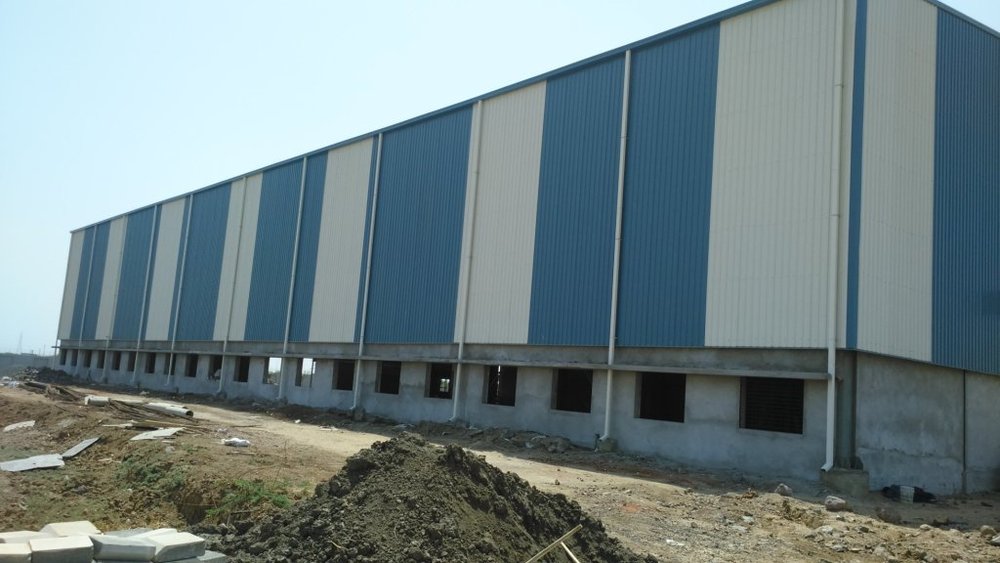
Factory Shed
Open Style : Sliding
Color : Blue and White
Floor Material : Reinforced Concrete
Use : Other, Industrial Storage Manufacturing
Roof Material : Corrugated Metal Sheets, Other
Life Span : 30+ years
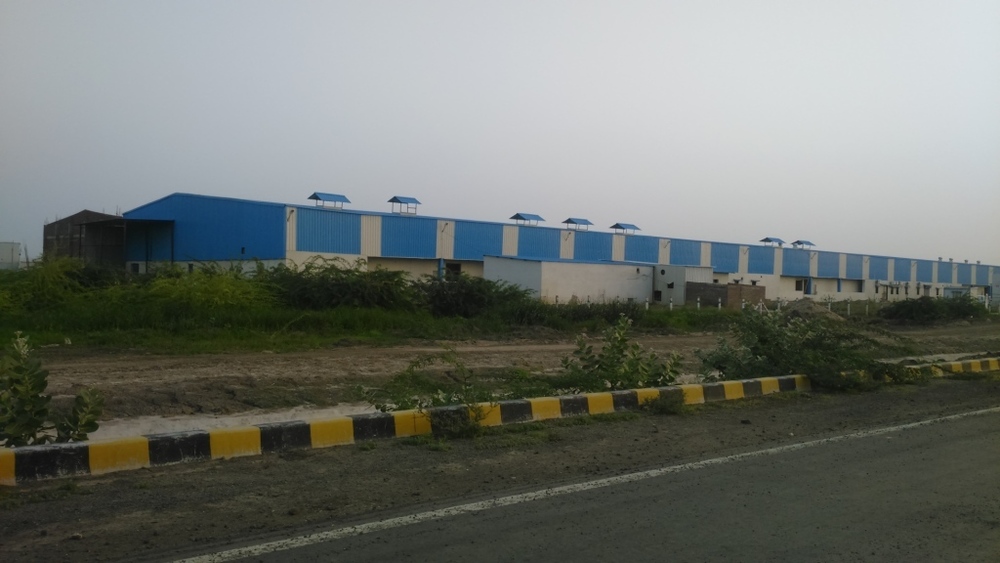
Industrial Shed
Open Style : Other, Covered
Color : Blue and White
Floor Material : Concrete
Use : Warehousing Manufacturing, Other
Roof Material : metal Sheet
Life Span : 2030 years

We only deal locally, i.e., in nearby areas of Surat & Gujarat.

 Send Inquiry
Our Products
- Rolling Shutters
- Sliding Gates
- Window Grill
- Glass and Metal Railings
- Stainless Steel Gate
- Steel Railings
- Swing Gates
- Industrial Sheds
- Industrial Dome
- Residential Sheds
- Parking Shade
- Kitchen Equipments
- Single and Double Bed
- Sofa Sets
- Hospital Beds
- Stainless Steel Furniture
- Industrial Fabrication
- Fabrication Services
- Rolling Shutter Motors
- Building Elevation Work
- Elevation Architectural Design Works


Plot No 45, Swaminaryan Nagar-1, Opposite Renuka Bhavan, Bombay Market, To Puna Gam Road, Surat - 395010, Gujarat, India

Mr. Jitendra
(Proprietor)
Mobile :08045477627
 Send Inquiry
 Send SMS
Developed and Managed by Infocom Network Private Limited.
